 大历史在线
大历史在线

Five Human Outings From Africa: From Homo Erectus 2 Million Years Ago To Modern Man 80000 Years Ago
Author:卜可Published:October 13, 2025Updated:February 4, 2026
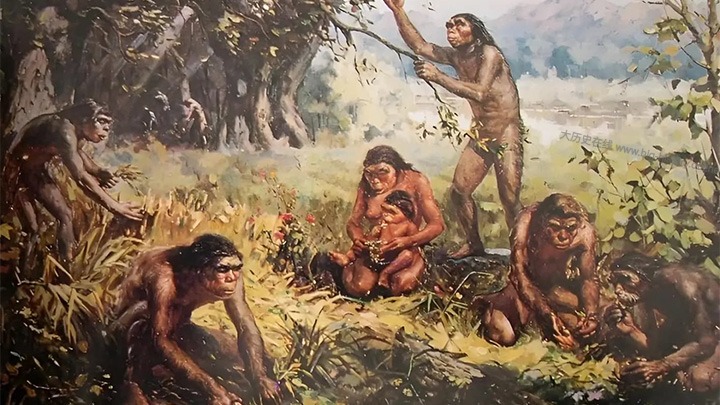
 Homo erectusMarch 12, 2026Homo erectus, which existed about 1.8 million to 200000 years ago, is a critical and successful species in the history of human evolution. Their body proportions are close to those of modern people. They can systematically use fire and make complex tools. They not only created the Acheri culture, but also made human beings walk out of Africa for the first time, which can be called a milestone in the evolution of the human genus.
 GenusMarch 12, 2026"Human" is only a term in the traditional sense, and from a genealogical point of view, it is very imprecise. In a narrow sense, human beings refer to all the people who have existed in history so far. However, human beings in biological taxonomy refer to "human genus", or "true genus". There are 17 known species, and modern people are only one of them.
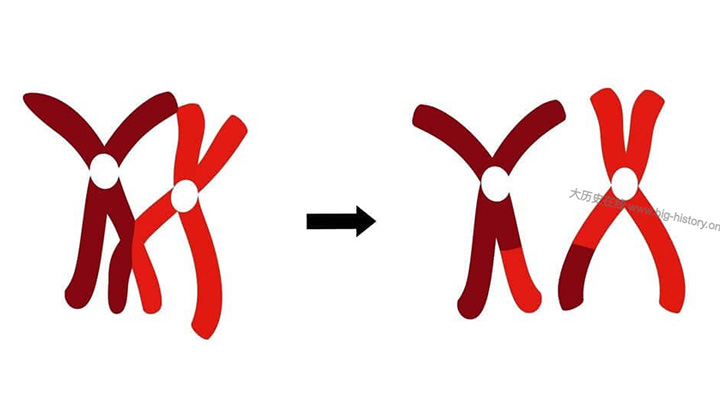 Recent common ancestor based on chromosomes 1-22February 26, 2026Interpreting the recent common ancestor of human autosomes 1-22 from a genomic perspective, explaining DNA recombination, mutation and ancestral fragment inheritance, and popularizing the common ancestor time in the sense of human genetics.
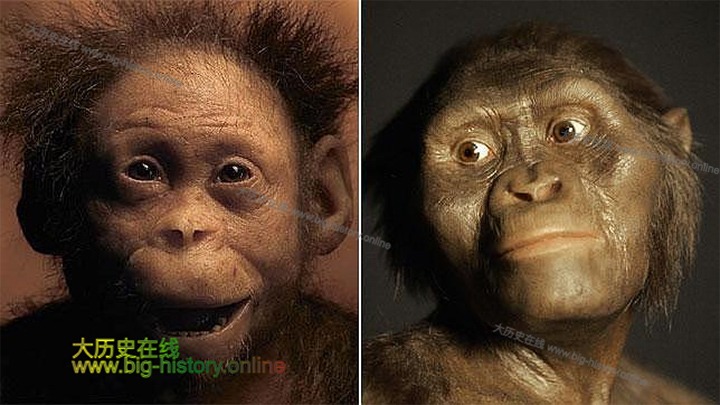 Afa AustralopithecusMarch 9, 2026Australopithecus Afa is a vital species in the history of early human evolution. It lived in Africa more than 300 million years ago. The most famous representative is the fossil skeleton called "Lucy". She is also jokingly called "The grandmother of mankind", behind her is the "first family" of mankind ".
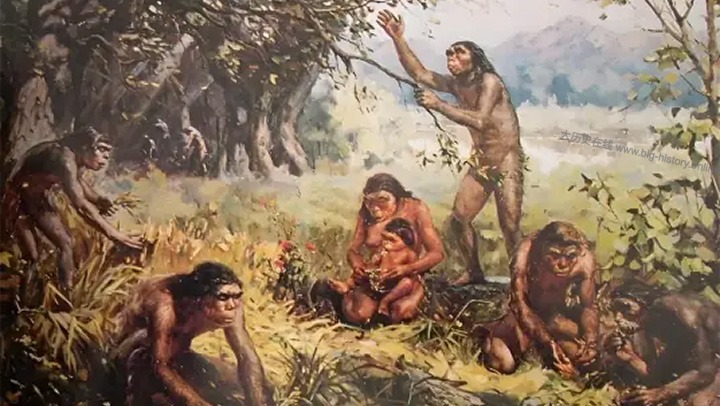 Peking ManMay 26, 2026Homo erectus (Homo erectus pekinensis) is one of the most important ancient human fossils in China. This article provides a systematic overview of the history of the discovery of Peking Man, its lithic tools, lifestyle, and the issue of fire use, as well as its position in debates surrounding human evolution and the origins of modern East Asians.
 Mousterian cultureMay 26, 2026The Moster culture (Mousterian) was one of the most important stone industries of the Middle Paleolithic, closely related to Neanderthals. This article provides a systematic overview of the origins of the Mousterian culture, Levallois technology, tool assemblage characteristics, major archaeological sites, and its pivotal role in the history of human evolution.
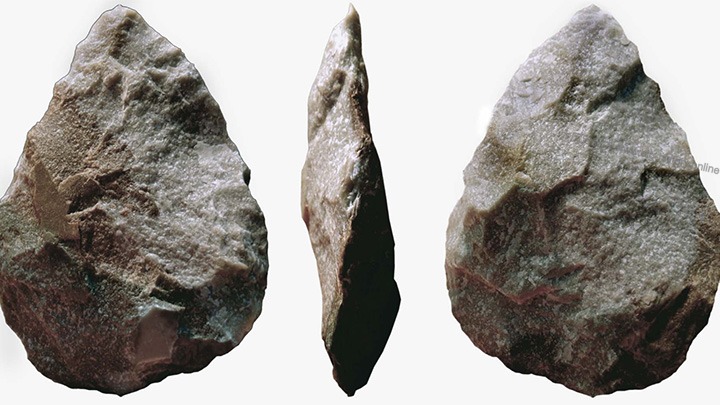 Acheulean cultureMay 22, 2026The Acheulean culture represents a major leap in prehistoric human technological development. This article offers a comprehensive exploration of the Mode 2 lithic industry, spanning from 1.7 million to 200,000 years ago, guiding you through the “prehistoric Swiss Army knife”—the hand axe—characterized by bifacial flaking and symmetrical aesthetics, as well as the survival strategies that enabled Homo erectus to colonize regions beyond Africa and Eurasia.
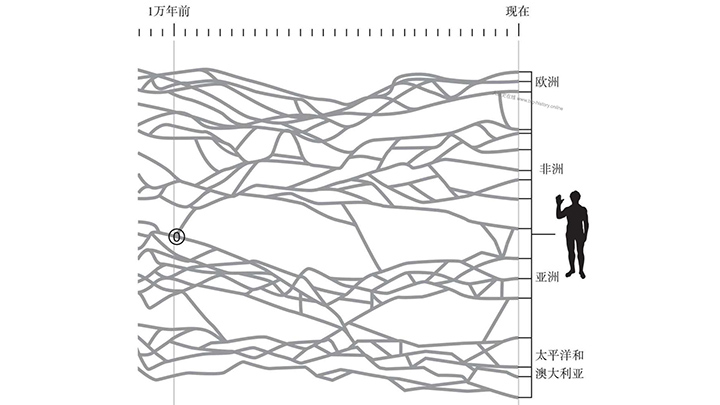 The MRCA of modern humansFebruary 27, 2026What is the most recent common ancestor (MRCA) of modern humans? How is it different from Mitochondrial Eve and Y-chromosome Adam? This article uses popular logic to explain the mystery of the common ancestor of all mankind.
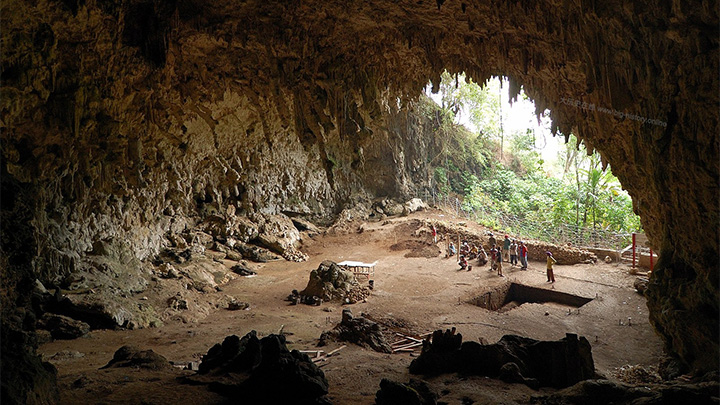 The Hobbit ExtinctionMarch 12, 2026Who were the Flores (Hobbits)? Why were they short? When did they become extinct? This article describes the fossils, evolution and extinction of this mysterious dwarf human.
 Modern man in the sense of anatomyFebruary 26, 2026What is modern man in the sense of anatomy? This paper systematically introduces the origin and characteristics of late Homo sapiens from the definition, key fossils (Jebel Iro, Omo, Herto), age and evolutionary diffusion.
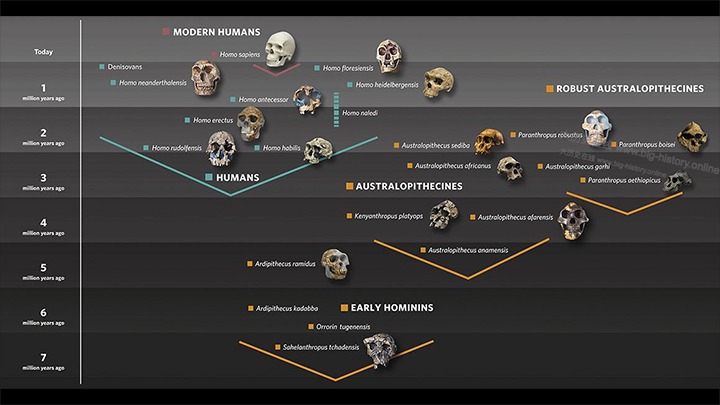 The Birth of MankindFebruary 26, 2026Human beings used to think that they were very "advanced" and different, a special existence created by "gods" according to their own image or preferences, but since the era when Darwin published the Origin of species, people's traditional cognition of the origin of life has been subverted. Now we know that the history of mankind is not long, only about 7 million years.
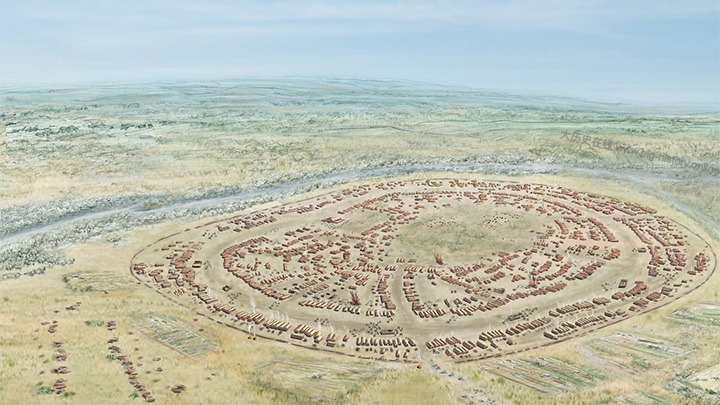 Kerkerani cultureJune 4, 2026The Cucuteni–Trypillian culture is one of the most significant archaeological cultures of late Neolithic and Chalcolithic Europe, spanning the territories of present-day Romania, Moldova, and Ukraine. This article examines its painted pottery art, monumental settlements, religious beliefs, the phenomenon of house burning, and the ultimate process of its decline, thereby elucidating the developmental apex of prehistoric agricultural civilization in Europe.
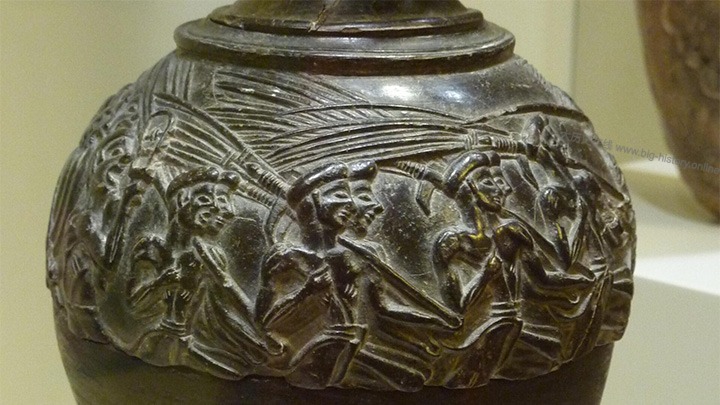 Agriculture emerged in Greece and the Aegean Sea region.June 14, 2026From about 7000 BC to 6500 BC, early farmers from Anatolia crossed the Aegean Sea and brought mature wheat and livestock technology to the Greek peninsula. From the early domestication remains at Franchthi Cave, through the settled villages of Sesklo, to the rise of the Minoan civilization on Crete, this article takes you on a journey to explore the ancient origins of agricultural civilization in Europe.
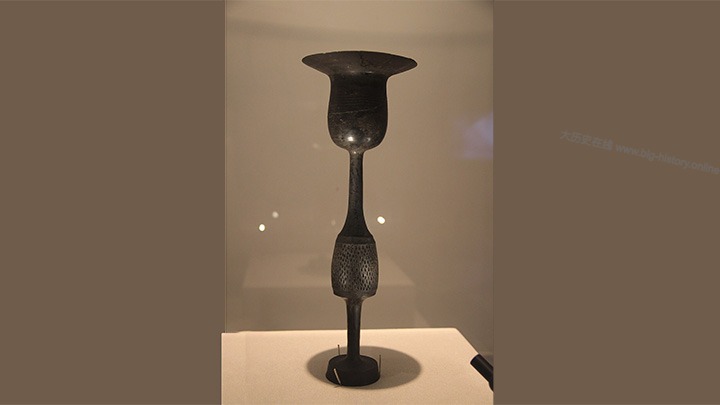 Longshan CultureJune 5, 2026The Longshan Culture is one of the most important archaeological cultures of the Late Neolithic period in China, dating from approximately 4,500 to 4,000 years ago. This article systematically examines the origins and geographical distribution of the Longshan Culture, its black‑ware pottery techniques, social stratification, the emergence of proto‑writing, prehistoric urban sites, and its relationship with the Erlitou Culture of the Xia Dynasty, thereby illuminating a crucial phase in the formation of Chinese civilization.
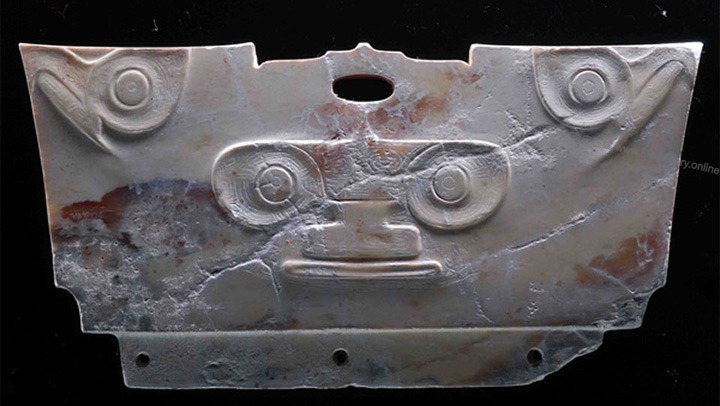 Liangzhu CultureJune 4, 2026The Liangzhu culture was a prehistoric civilization of late Neolithic China, dating back approximately 5,300 to 4,300 years ago. The article offers an in-depth analysis of the Liangzhu Ancient City site, the world’s earliest large-scale flood-control dam project, and the exquisite jade ritual objects centered on cong cylinders and divine emblems, thereby providing comprehensive evidence for the highly organized, early urban‑civilization state that emerged in the lower reaches of the Yangtze River.
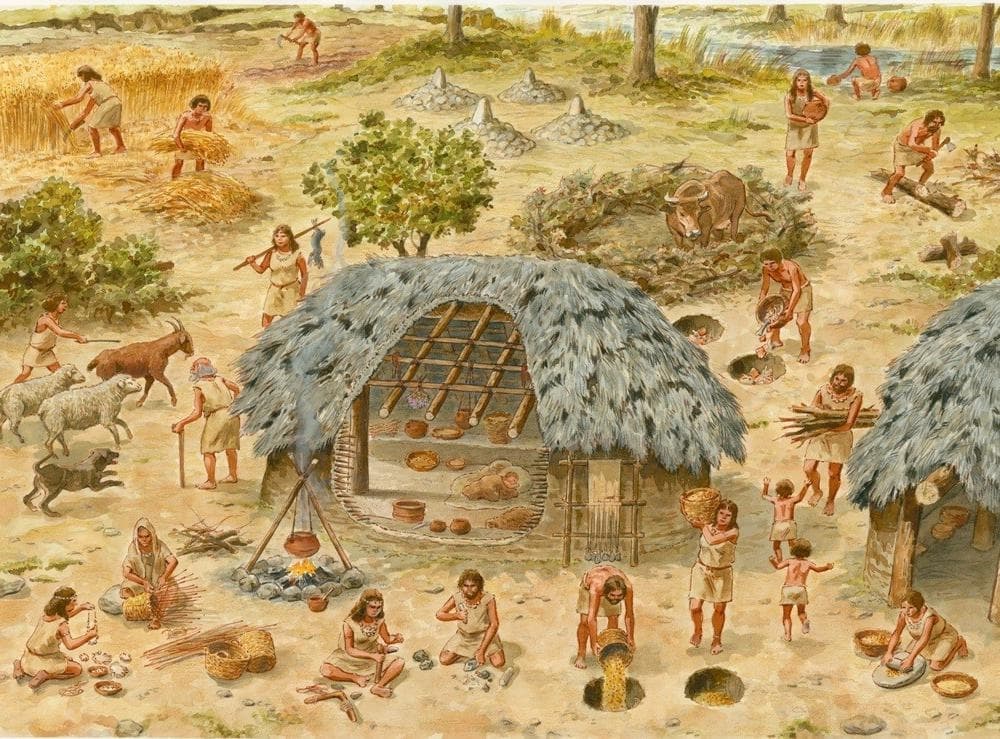 February 25, 2026About 10000 years ago, the ancestors of the Yangtze River and the Yellow River began to domesticate crops and entered the stage of primitive agriculture, with initial settlement and grinding of stone tools and pottery. About 8700 years ago, millet gradually became the staple grain in the Yellow River Basin; about 8000 years ago, rice agriculture in the Yangtze River Basin matured, laying the agricultural foundation for the origin of Chinese civilization.
Related recommendations
 WeChat Mini Program
 Big History Online