 大历史在线
大历史在线

Toumaï The Sahelanthropus: The “Millennium Man” Of 6 Million Years Ago And Early Bipedalism
Author:卜可Published:November 24, 2023Updated:June 5, 2026
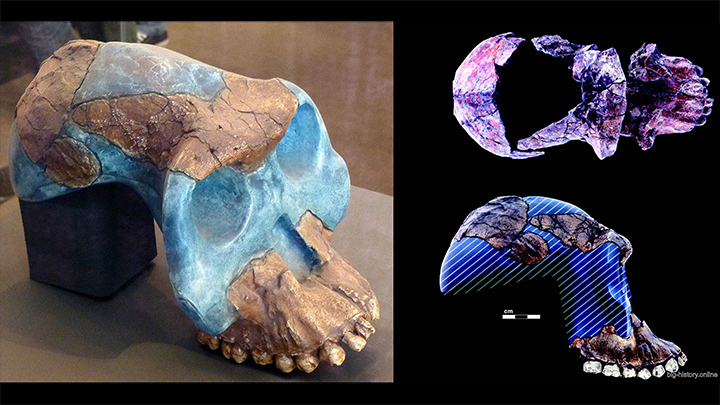 February 25, 2026The amazing species of Australopithecus lived in Ethiopia about 3.3 million years ago. It was in the same period or even partially overlapped with the famous Afar species of Australopithecus (such as "Lucy"), which proved the diversity of human evolution and completely changed the previous The simple view of "straight line evolution" of human origin
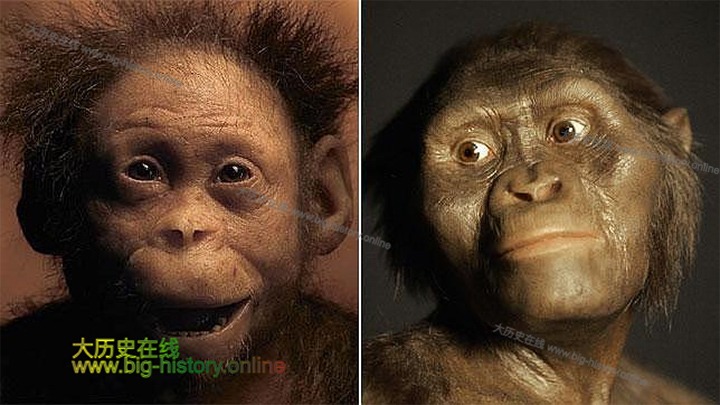 Afa AustralopithecusMarch 9, 2026Australopithecus Afa is a vital species in the history of early human evolution. It lived in Africa more than 300 million years ago. The most famous representative is the fossil skeleton called "Lucy". She is also jokingly called "The grandmother of mankind", behind her is the "first family" of mankind ".
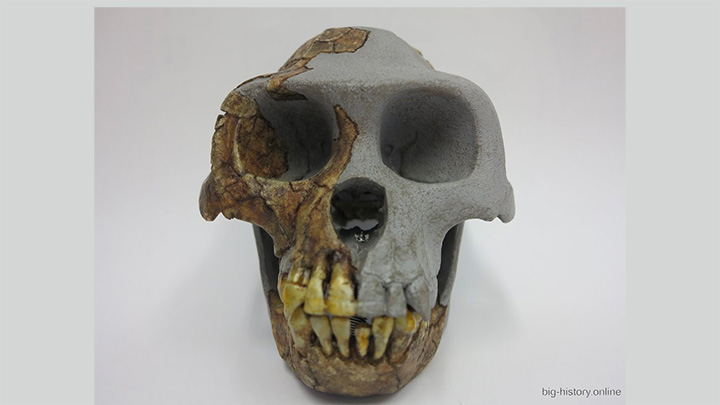 Aldi apeFebruary 26, 2026The Aldi ape is a common name for the species of the ancient human fossil "Aldi. It is one of the earliest known members of the hominid family and occupies a vital position in the history of human evolution.
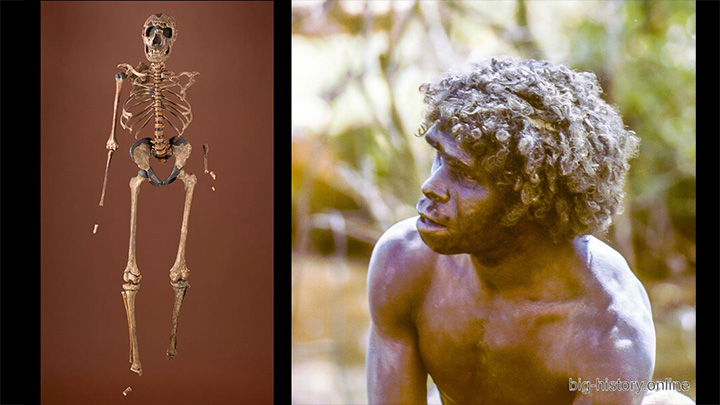 Homo erectusMarch 12, 2026Homo erectus, which existed about 1.8 million to 200000 years ago, is a critical and successful species in the history of human evolution. Their body proportions are close to those of modern people. They can systematically use fire and make complex tools. They not only created the Acheri culture, but also made human beings walk out of Africa for the first time, which can be called a milestone in the evolution of the human genus.
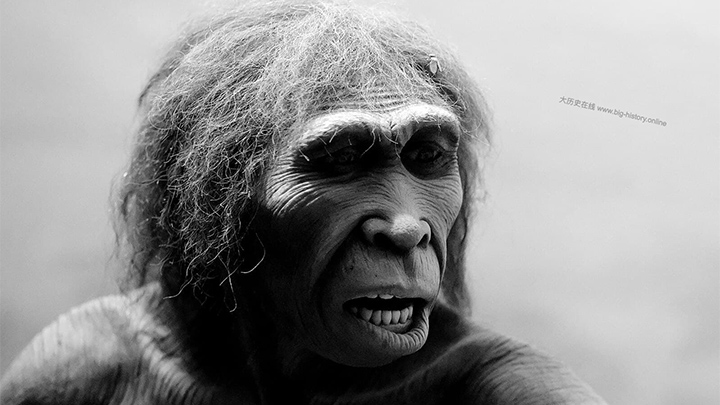 GenusMarch 12, 2026"Human" is only a term in the traditional sense, and from a genealogical point of view, it is very imprecise. In a narrow sense, human beings refer to all the people who have existed in history so far. However, human beings in biological taxonomy refer to "human genus", or "true genus". There are 17 known species, and modern people are only one of them.
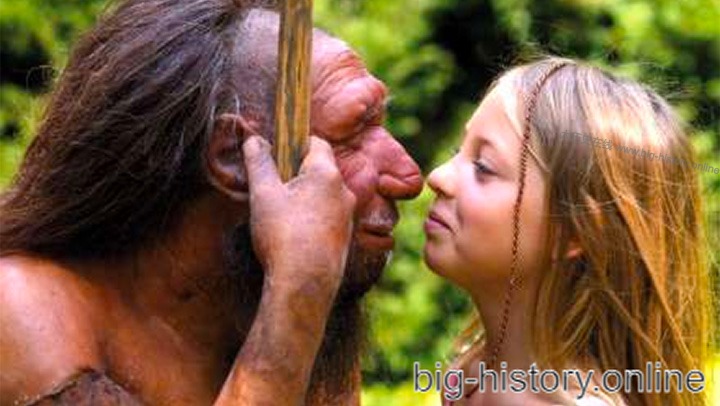 The Evolution of Modern ManMarch 12, 2026770000 to 550000 years ago, the ancestors of modern humans diverged from those of Neanderthals and Denisovans, but there was no complete "reproductive isolation" between the three subspecies ". In fact, from a genetic point of view, they are just a "weaker" ancestor of modern people tens of thousands of years ago. Every modern person has more or less their genes in his body.
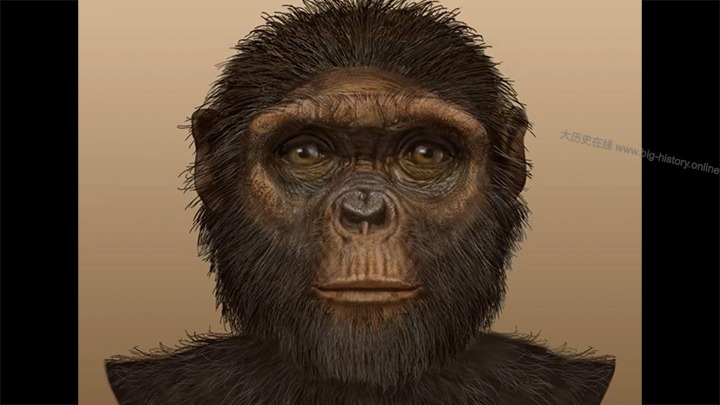 Cardabadi ApeFebruary 26, 2026The meaning of kadaba is "the oldest ancestor", so they are also called "the ancestor of the ape", of course, refers to the ancestor of human beings. The ancestral apes can walk upright. Their most famous feature is their teeth. It is speculated that their diet is richer and they have stronger environmental adaptability. This is also one of the starting points for the separation of human ancestors and chimpanzee ancestors.
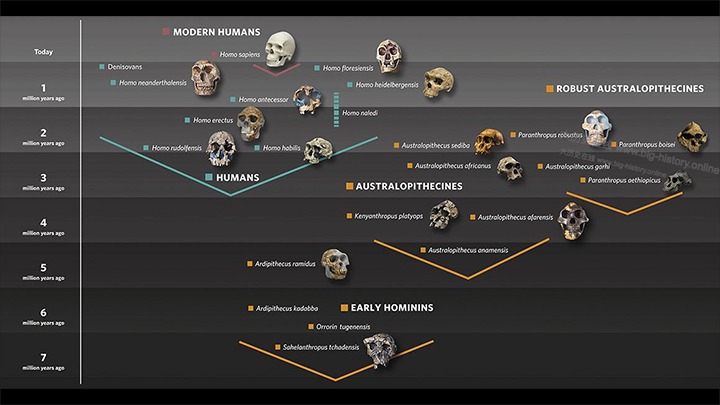
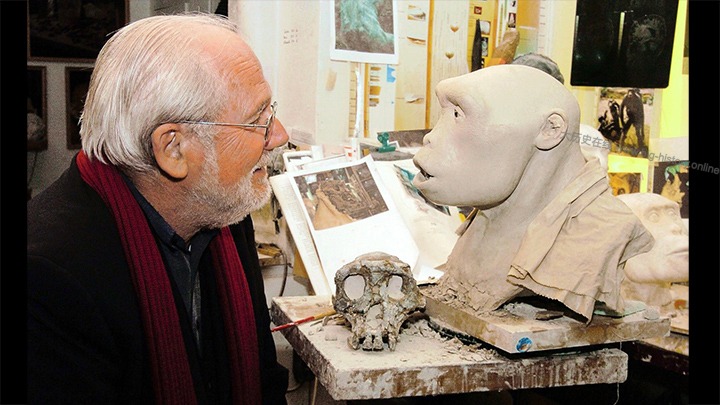 Chadian ShahFebruary 26, 2026The Chadian Shah (Tumai), the earliest known hominid species, lived in Africa 7 million years ago. This article describes its discovery, the characteristics of the skull, the evidence of upright walking, and how it rewrites the history of human evolution.
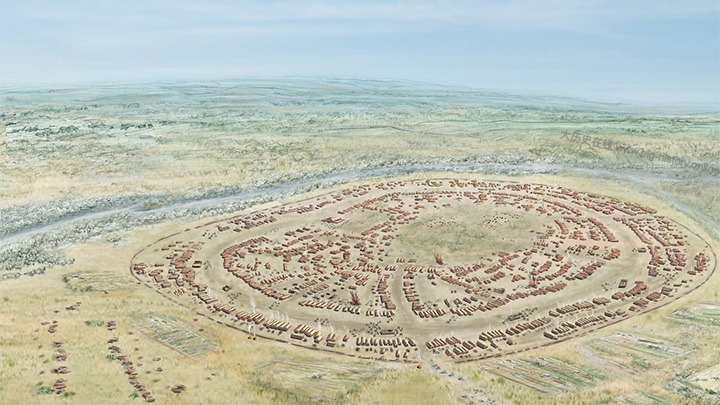 Kerkerani cultureJune 4, 2026The Cucuteni–Trypillian culture is one of the most significant archaeological cultures of late Neolithic and Chalcolithic Europe, spanning the territories of present-day Romania, Moldova, and Ukraine. This article examines its painted pottery art, monumental settlements, religious beliefs, the phenomenon of house burning, and the ultimate process of its decline, thereby elucidating the developmental apex of prehistoric agricultural civilization in Europe.
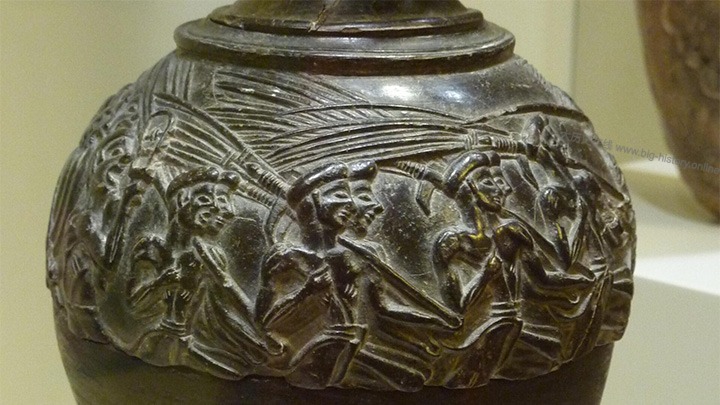 Agriculture emerged in Greece and the Aegean Sea region.June 14, 2026From about 7000 BC to 6500 BC, early farmers from Anatolia crossed the Aegean Sea and brought mature wheat and livestock technology to the Greek peninsula. From the early domestication remains at Franchthi Cave, through the settled villages of Sesklo, to the rise of the Minoan civilization on Crete, this article takes you on a journey to explore the ancient origins of agricultural civilization in Europe.
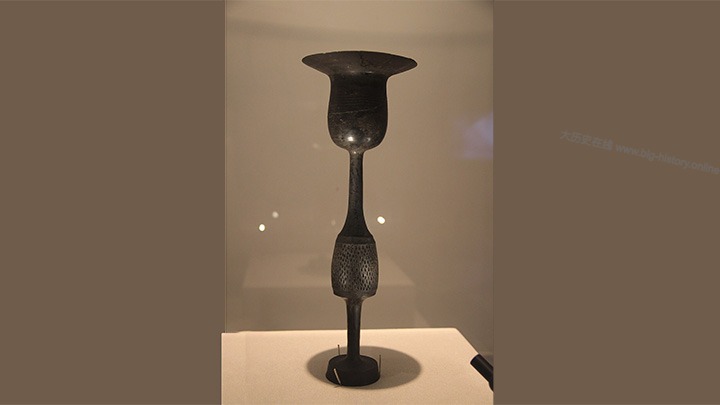 Longshan CultureJune 5, 2026The Longshan Culture is one of the most important archaeological cultures of the Late Neolithic period in China, dating from approximately 4,500 to 4,000 years ago. This article systematically examines the origins and geographical distribution of the Longshan Culture, its black‑ware pottery techniques, social stratification, the emergence of proto‑writing, prehistoric urban sites, and its relationship with the Erlitou Culture of the Xia Dynasty, thereby illuminating a crucial phase in the formation of Chinese civilization.
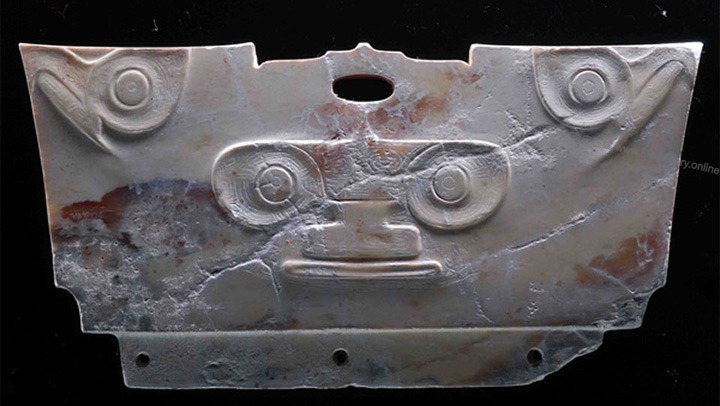 Liangzhu CultureJune 4, 2026The Liangzhu culture was a prehistoric civilization of late Neolithic China, dating back approximately 5,300 to 4,300 years ago. The article offers an in-depth analysis of the Liangzhu Ancient City site, the world’s earliest large-scale flood-control dam project, and the exquisite jade ritual objects centered on cong cylinders and divine emblems, thereby providing comprehensive evidence for the highly organized, early urban‑civilization state that emerged in the lower reaches of the Yangtze River.
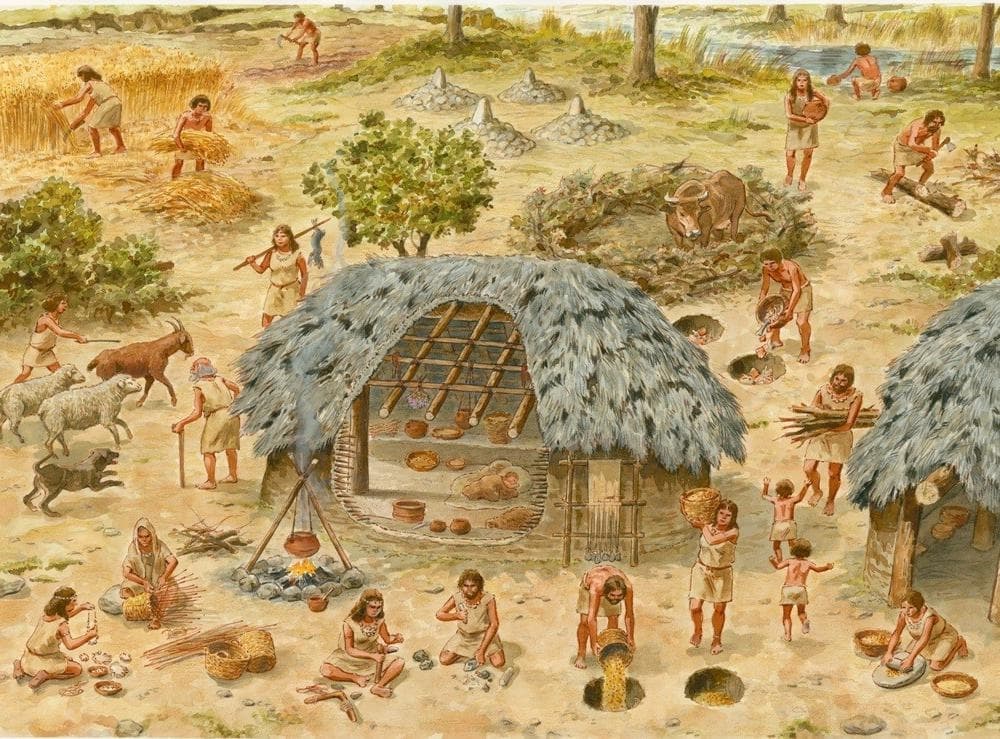 February 25, 2026About 10000 years ago, the ancestors of the Yangtze River and the Yellow River began to domesticate crops and entered the stage of primitive agriculture, with initial settlement and grinding of stone tools and pottery. About 8700 years ago, millet gradually became the staple grain in the Yellow River Basin; about 8000 years ago, rice agriculture in the Yangtze River Basin matured, laying the agricultural foundation for the origin of Chinese civilization.
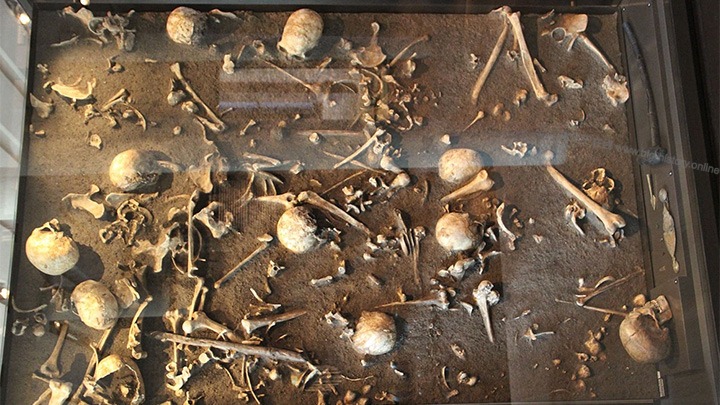 Battle of Torrance ValleyJune 14, 2026The Battle of the Tollense Valley took place around 1300 BCE and is recognized as the earliest and largest prehistoric battle known in Europe. Thousands of warriors clashed in fierce battle across northeastern Germany, against the backdrop of the “Late Bronze Age Collapse” in Eurasia. This paradigm-shifting archaeological discovery has fundamentally reshaped our understanding of the complexity of European Bronze Age societies and their military organizational capabilities.
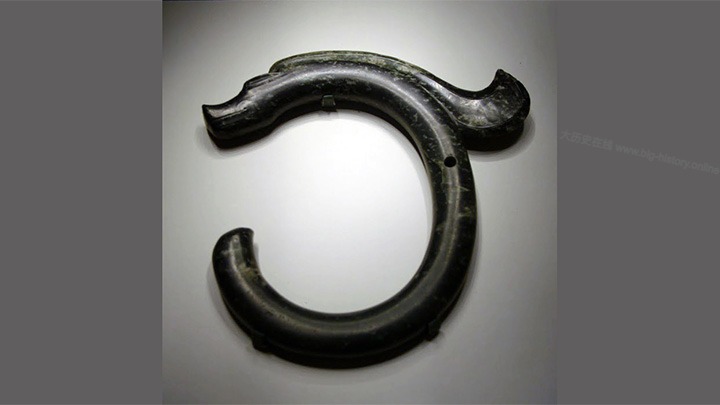 Hongshan CultureJune 2, 2026Hongshan Culture is one of the most important late Neolithic archaeological cultures in northern China, renowned for the Niuheliang site, the Goddess Temple, the cairn tombs, and its exquisite jade artifacts. This article provides a systematic overview of the Hongshan Culture, covering its chronological framework, geographical distribution, agricultural practices, jade-crafting traditions, and its pivotal significance for research on the origins of Chinese civilization.
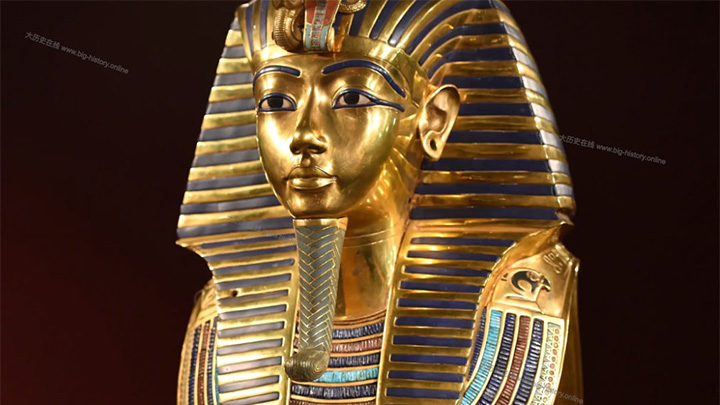 TutankhamunMarch 4, 2026Tutankhamun is the most famous pharaoh in ancient Egypt. It is not because of his achievements, but because of his unstolen KV62 tomb and gold mask that shocked the world and solved many mysteries of the 18th dynasty of ancient Egypt.
Related recommendations
 WeChat Mini Program
 Big History Online