 大历史在线
大历史在线

The Marta-Bret Culture And The Ancient Northern Eurasian People
Author:卜可Published:September 27, 2025Updated:June 5, 2026

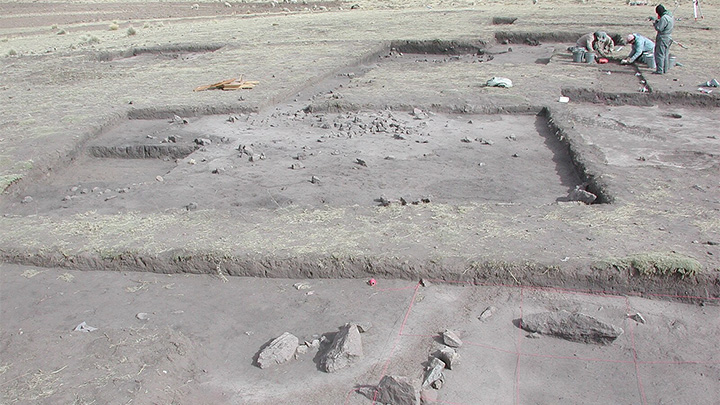 The emergence of metal products in the AmericasMarch 5, 2026Around 2000 BC, the earliest metal products in the Americas appeared in Peru, mainly gold and copper ornaments, with gold necklaces from Jiskairumoko ruins as key evidence. At the same time, the Maya entered the early pre-classical period.
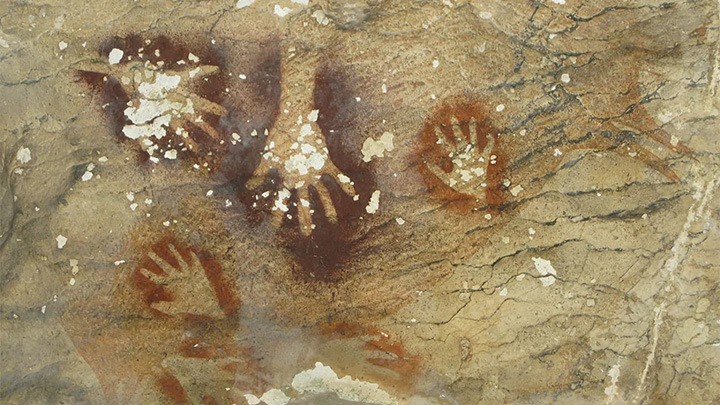 Late Paleolithic RevolutionFebruary 28, 2026About 50000 years ago, our race experienced something very special: just as Athena in Greek mythology injected soul into mankind, mankind suddenly possessed unprecedented figurative artistic creativity. This event, known as the "Late Paleolithic Revolution", is a watershed in the history of human evolution.
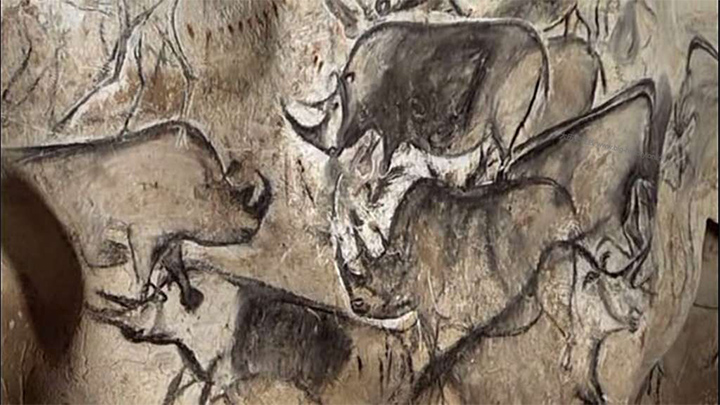 Orina CultureMarch 4, 2026What is Aorina culture? Age, distribution, tools, murals and sculptures (Chauvius Caves, Lions, Hochler Fellows Venus).
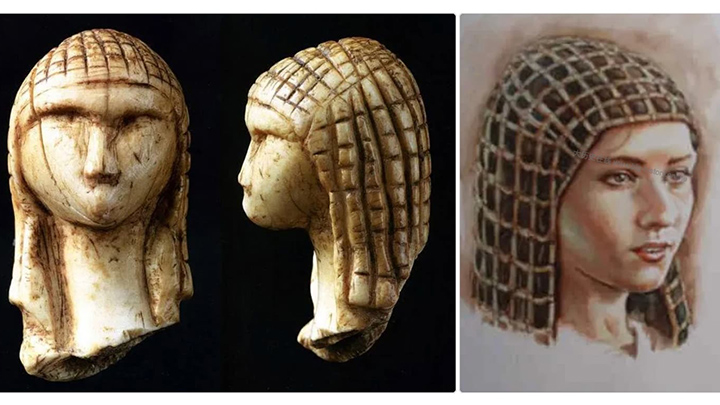 Gravitt CultureMarch 4, 2026What is Gravitt culture? Age, tools, Venus statues, Songgil tombs, Dorny Vestonietzsche ruins, one article to understand the glorious culture of European prehistory.
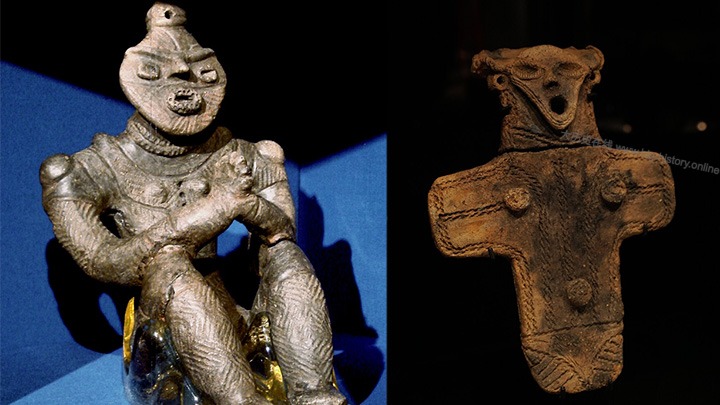 Jōmon cultureMay 27, 2026The Jōmon Culture is the longest-lasting prehistoric culture in the Japanese archipelago, renowned for its cord-marked pottery, flame-patterned ceramics, and enigmatic clay figurines. This article provides a systematic overview of Jōmon culture, covering its chronological framework, social organization, artistic traditions, the origins of the Jōmon people, and their relationship to modern Japanese.
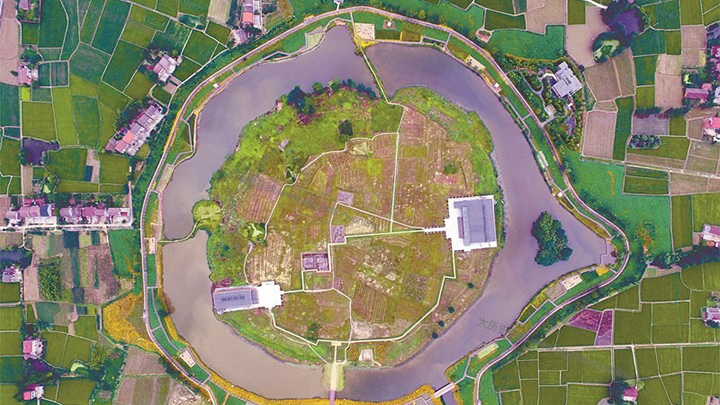 Chengtoushan, China’s earliest cityFebruary 28, 2026The ancient city of Chengtou Mountain, about 6300 years ago, is the earliest known city in China and belongs to the Daxi culture. This article describes the archaeological discoveries of its age, city walls, rice farming, houses and tombs.
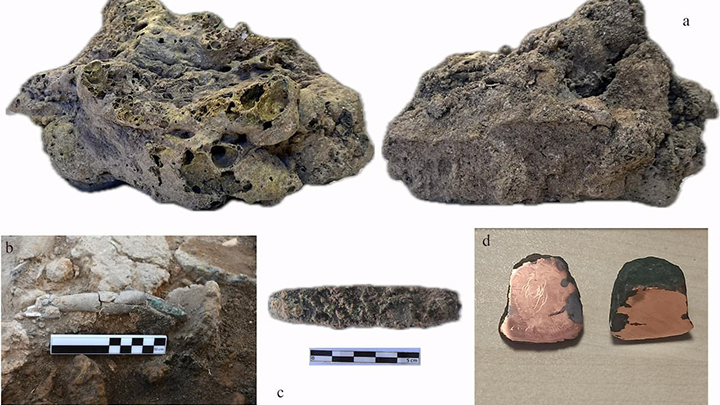 The earliest copper ore experimentMarch 4, 2026When did the earliest human metallurgical experiments begin? How did malachite, fire and pottery technology lead to copper smelting? This article introduces the technological revolution from copper ore to the Bronze Age.
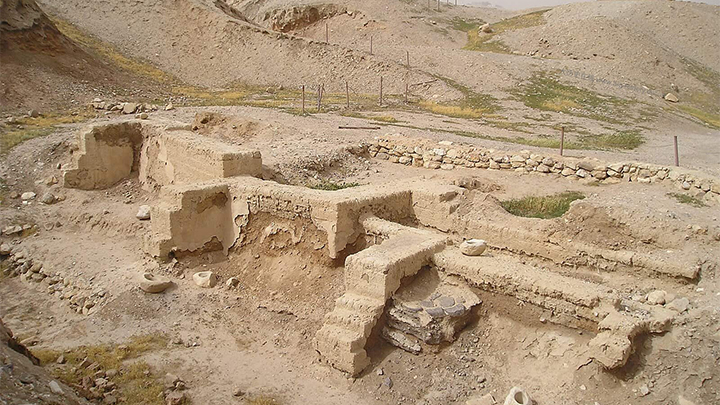 Jericho, the first walled city in human history.February 28, 2026Jericho is the world's earliest walled city, more than ten thousand years ago. This paper systematically introduces the archaeological truth of the Talsudan site, the former pottery neolithic culture, the stone tower, the city wall and the biblical story.
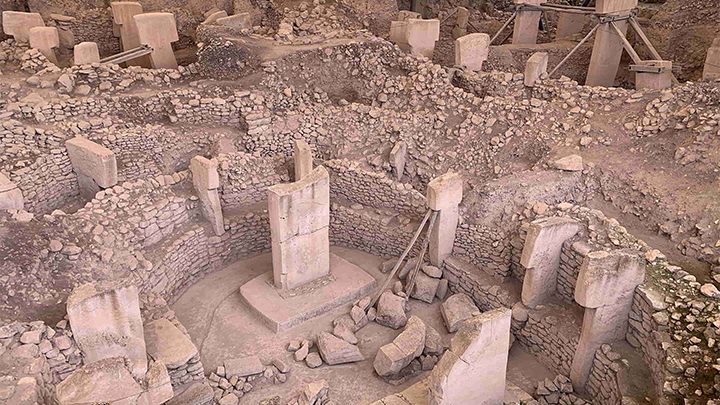 Gobekli TepeMarch 4, 2026What is Göbekli Tepe? Its dating, structure, carvings, builders, and significance. This article introduces the oldest large-scale religious site, predating the pyramids and overturning our understanding of human prehistory.
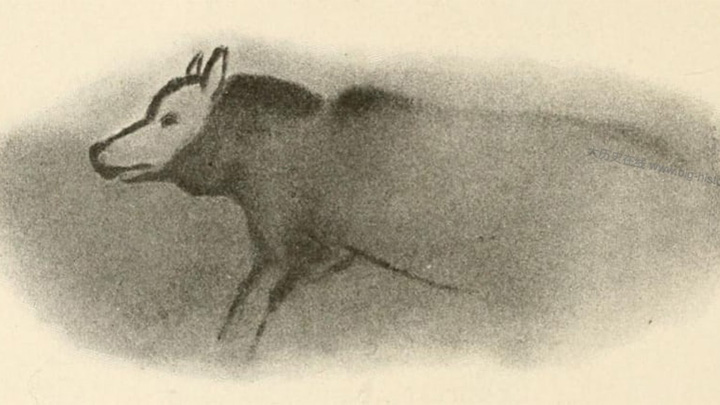 Domestication of dogsMarch 4, 2026Dog is the first animal domesticated by human beings. What kind of process did it go through from gray wolf to domestic dog? When and where did it originate? This paper systematically explains the domestication history, archaeological evidence and genetic truth of dog.
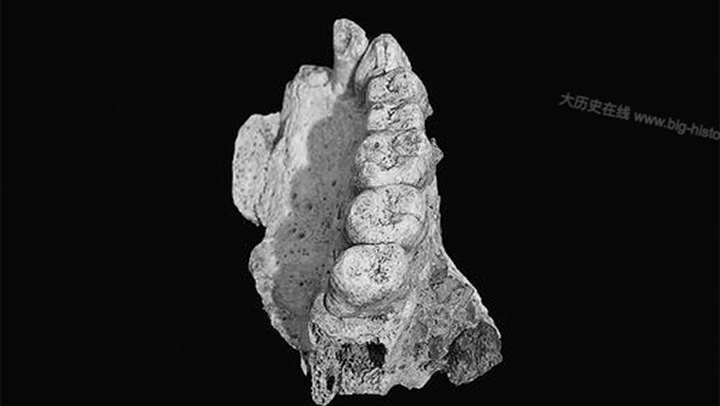 The earliest modern humans outside AfricaMarch 4, 2026Where are the earliest modern fossils outside Africa and how many years ago? This article introduces key sites such as Kafze and Misria, and combs the real timeline of modern people coming out of Africa.
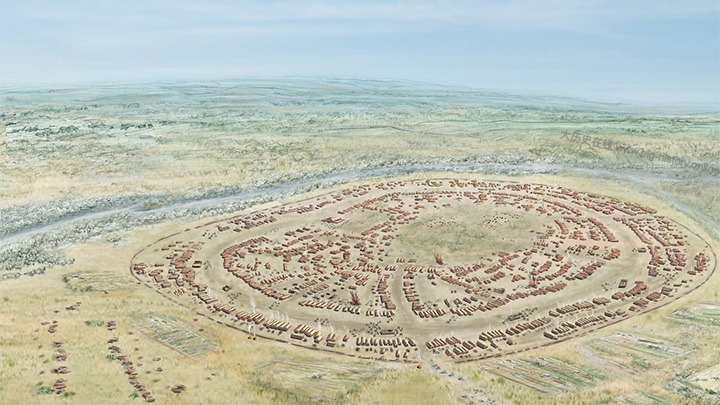 Kerkerani cultureJune 4, 2026The Cucuteni–Trypillian culture is one of the most significant archaeological cultures of late Neolithic and Chalcolithic Europe, spanning the territories of present-day Romania, Moldova, and Ukraine. This article examines its painted pottery art, monumental settlements, religious beliefs, the phenomenon of house burning, and the ultimate process of its decline, thereby elucidating the developmental apex of prehistoric agricultural civilization in Europe.
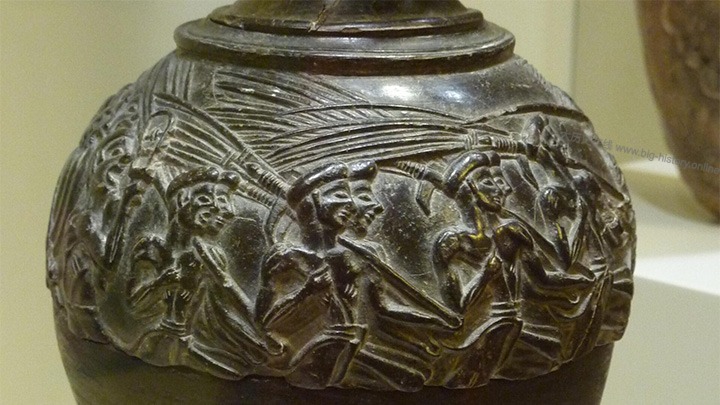 Agriculture emerged in Greece and the Aegean Sea region.June 14, 2026From about 7000 BC to 6500 BC, early farmers from Anatolia crossed the Aegean Sea and brought mature wheat and livestock technology to the Greek peninsula. From the early domestication remains at Franchthi Cave, through the settled villages of Sesklo, to the rise of the Minoan civilization on Crete, this article takes you on a journey to explore the ancient origins of agricultural civilization in Europe.
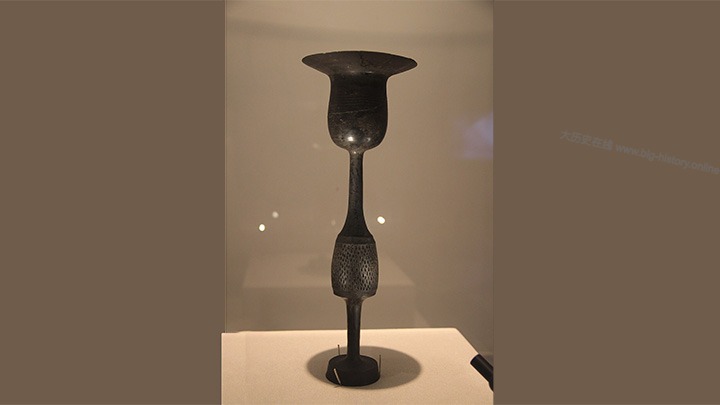 Longshan CultureJune 5, 2026The Longshan Culture is one of the most important archaeological cultures of the Late Neolithic period in China, dating from approximately 4,500 to 4,000 years ago. This article systematically examines the origins and geographical distribution of the Longshan Culture, its black‑ware pottery techniques, social stratification, the emergence of proto‑writing, prehistoric urban sites, and its relationship with the Erlitou Culture of the Xia Dynasty, thereby illuminating a crucial phase in the formation of Chinese civilization.
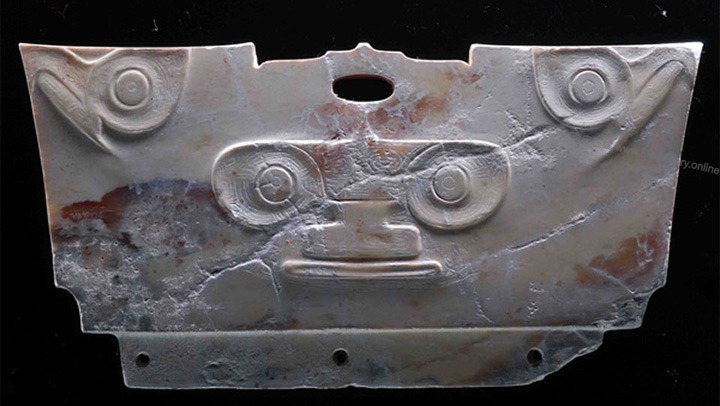 Liangzhu CultureJune 4, 2026The Liangzhu culture was a prehistoric civilization of late Neolithic China, dating back approximately 5,300 to 4,300 years ago. The article offers an in-depth analysis of the Liangzhu Ancient City site, the world’s earliest large-scale flood-control dam project, and the exquisite jade ritual objects centered on cong cylinders and divine emblems, thereby providing comprehensive evidence for the highly organized, early urban‑civilization state that emerged in the lower reaches of the Yangtze River.
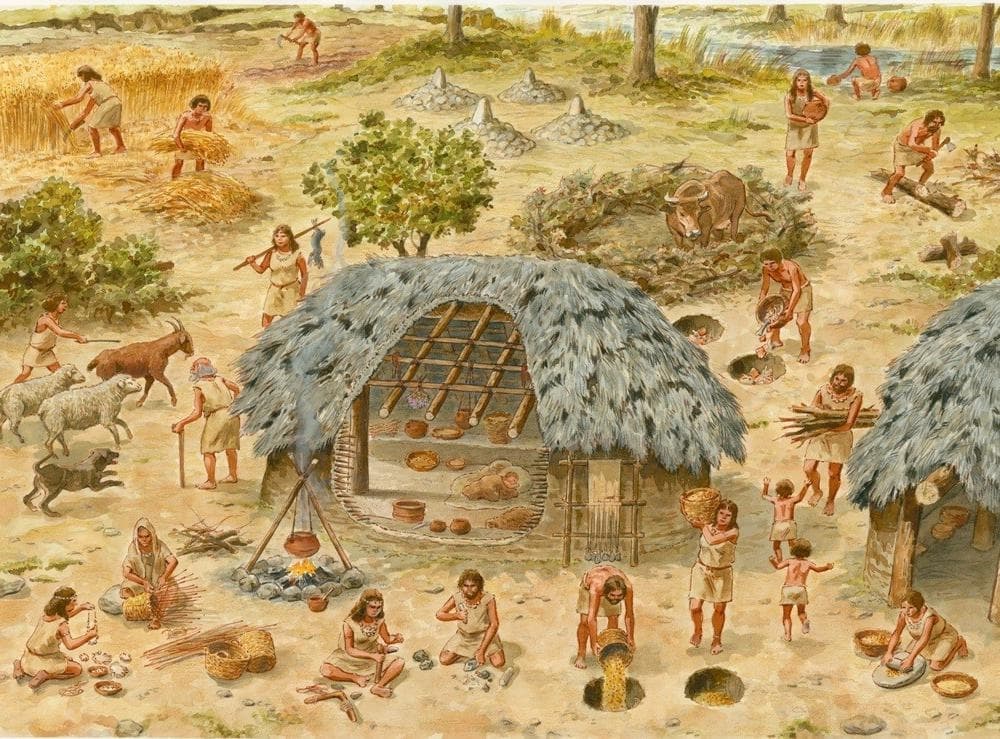 February 25, 2026About 10000 years ago, the ancestors of the Yangtze River and the Yellow River began to domesticate crops and entered the stage of primitive agriculture, with initial settlement and grinding of stone tools and pottery. About 8700 years ago, millet gradually became the staple grain in the Yellow River Basin; about 8000 years ago, rice agriculture in the Yangtze River Basin matured, laying the agricultural foundation for the origin of Chinese civilization.
Related recommendations
 WeChat Mini Program
 Big History Online