 大历史在线
大历史在线

Assyrian Banibal: The Last Powerful Assyrian King And The Peak Of The Ancient World
Author:卜可Published:December 17, 2025Updated:March 12, 2026
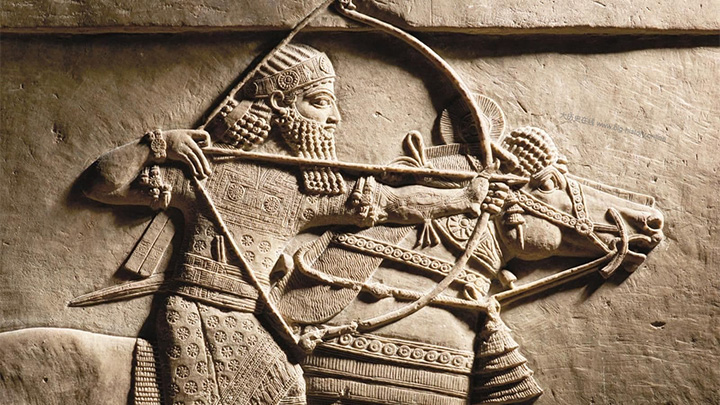
 The Assyrian Empire fell.March 6, 2026After the death of Assyrian Banibal, the empire declined rapidly. The allied forces of Middy and New Babylon conquered Nineveh, slaughtered the city and burned the capital. The Assyrian Empire, which was in full bloom for a while, completely perished and opened a new pattern in the Near East.
 The New Elam Period and the Demise of CivilizationMarch 8, 2026From 1100 to 600 BC, the New Elam period witnessed the end of the Elam civilization in two thousand years. This article details the brutal conquest of the Assyrian Empire, the destruction of the city of Susa, and how the Persians inherited the heritage of Elam and established the Achaemenid dynasty, restoring the true epic of the change of hegemony in the Near East.
 Tigrat-Parachar IIIMarch 6, 2026Tigrat-Palachar III ended the century-old downturn in Assyria, reshaped the empire with military expansion, provinces and forced migration, conquered Syria, Israel and Babylon, and opened the pinnacle of the new Assyrian empire.
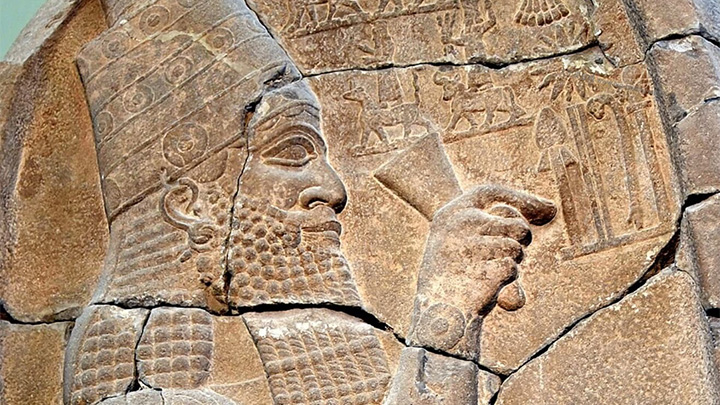 IsaahuttonMarch 6, 2026Isaharton calmed the civil strife on the throne, rebuilt the city of Babylon burned by his father, defeated the nomads, conquered Egypt, and pushed the Assyrian Empire to the pinnacle of territory and national power.
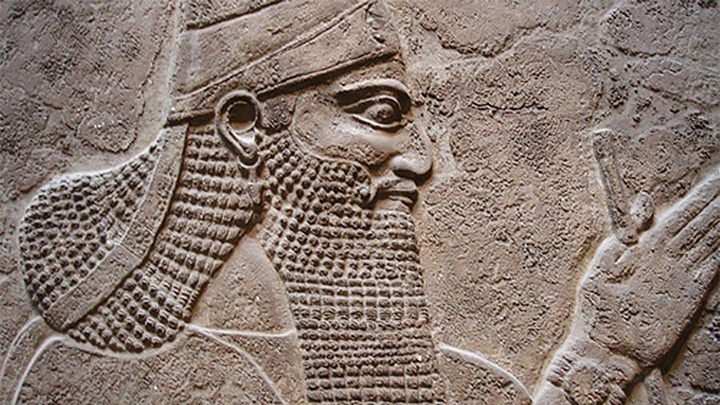 SinakeribMarch 6, 2026Sennakeri put down the Babylonian rebellion, captured Rajish, besieged Jerusalem, and went on an expedition across the sea to Elam. Eventually, he was killed by his son for burning Babylon and blaspheming the gods, leading to a tragic ending.
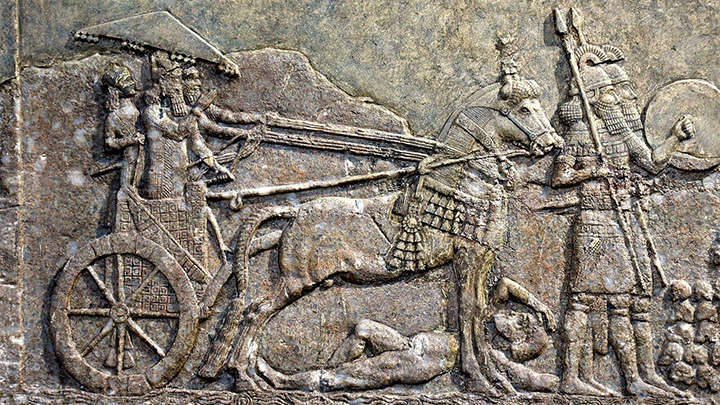 Sargon IIMarch 6, 2026Sargon II usurped power to ascend the throne, broke through Samaria and destroyed the northern state of Israel, defeated Urartu, conquered Babylon, and built the new Capital of Dulsarukin, pushing the New Assyrian Empire to its peak.
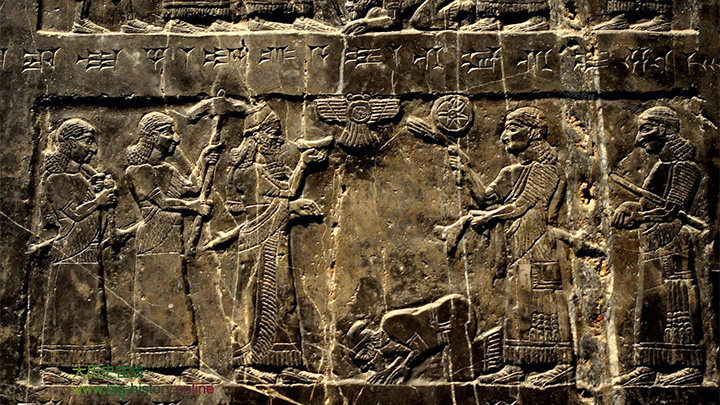 Shalmaneser IIIMarch 6, 2026Salmanasar III established the first standing army and cavalry of Assyria, launched the battle of Kalkar, and forced the king of Israel Jehu to become a minister. In his later years, the dispute over the storage position triggered civil strife and started Assyria's 100-year downturn.
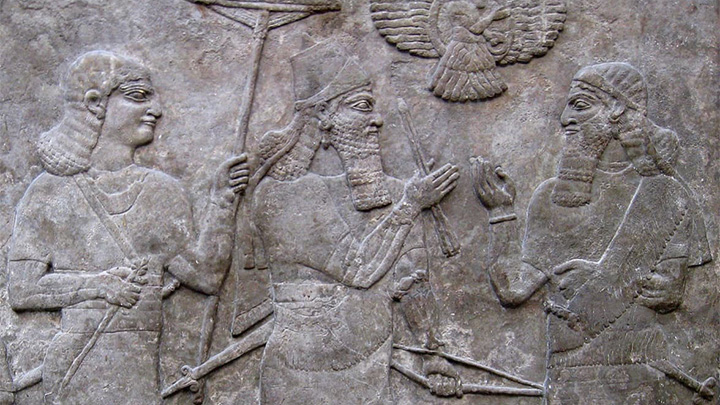 Assyrian Nassipa IIMarch 6, 2026Assyrian Nassipa II rebuilt Assyrian hegemony, set the city of Gala (Nimrud), and went west to the Mediterranean Sea to deter the four sides with brutality, opening the way for the expansion of the new Assyrian empire.
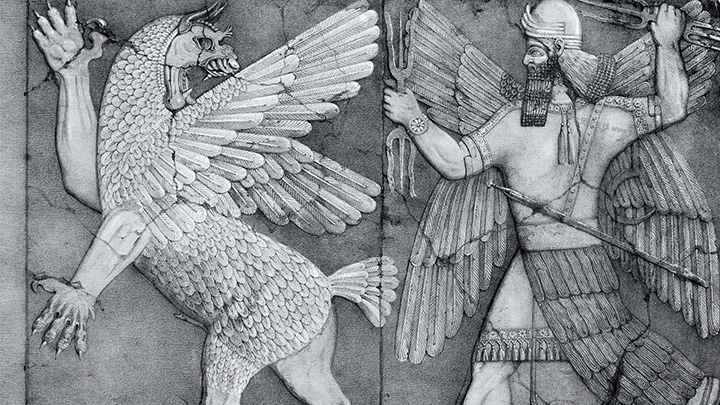 Neo-Assyrian Period-The Rise of the EmpireMarch 6, 2026Neo-Assyria evolved from a regional power into an empire. Tiglath-Pileser III inaugurated the imperial era, subjugating Mesopotamia, Syria, and Egypt through ruthless military campaigns and establishing Assyria as the dominant power in the Near East.
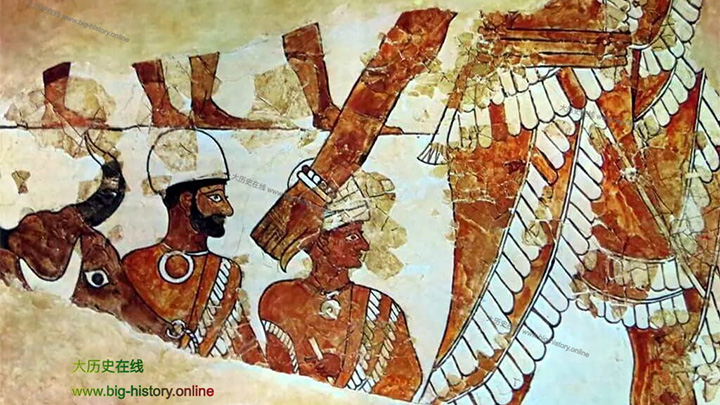 Shamsh-Adad I and the Kingdom of AssyriaMarch 5, 2026Shamsh-Adad I (the Amorites) captured the Assyrian and Mare regions, established the Assyrian kingdom, and controlled the trade in the upper reaches of the two river basins. Although the empire collapsed after his death, it laid the foundation for Assyrian civilization.
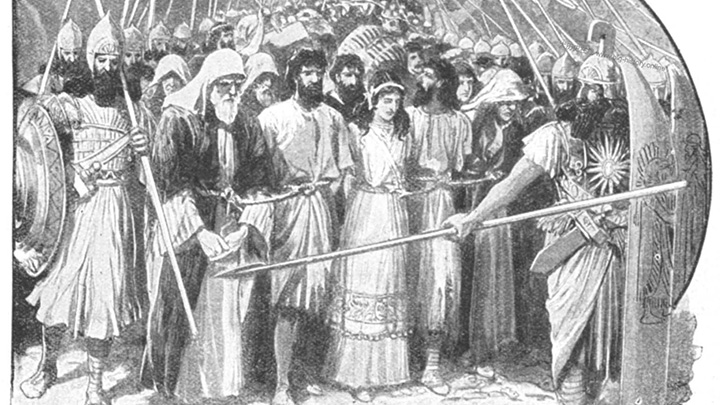 Assyria destroyed the Kingdom of IsraelMarch 6, 2026Due to the decline of the kingdom of Israel due to civil strife, the last king Hochia United against Assyria was seen through, and Sargon II broke through Samaria and exiled 27000 Israelites, creating the mystery of "the ten lost tribes.
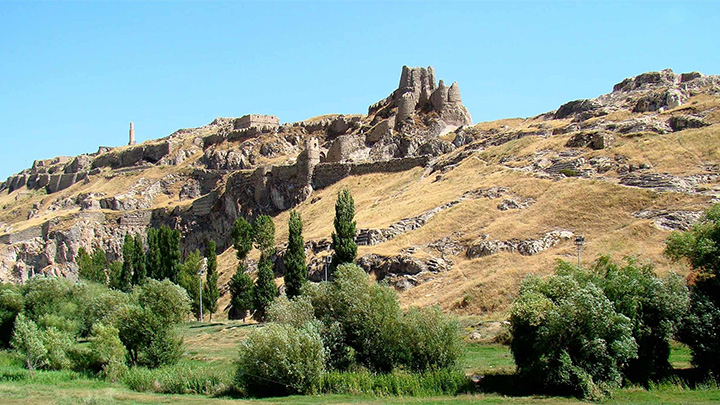 The Kingdom of Uraltu Gone from Prosperity to DeclineMarch 6, 2026Relying on the Armenian plateau, the Urartu Kingdom rose up and fought for hegemony with Assyria for a long time. Under the attack of Tigrat-Parachar III and Sargon II, the Urartu Kingdom turned from prosperity to decline, and finally died in the Medes and the Skeites.
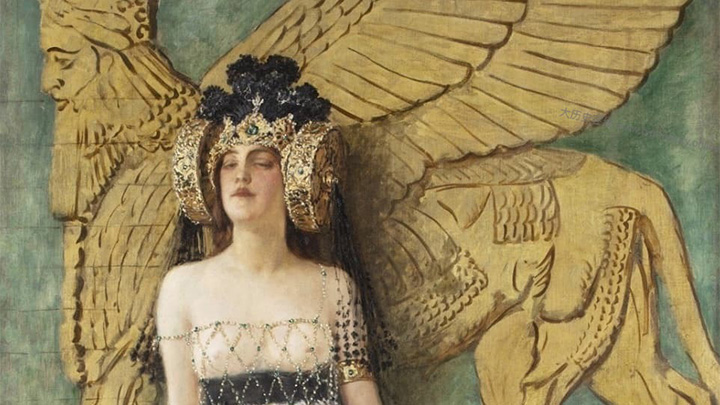 The Assyrian “Queen” Shamash-shum-ukinMarch 6, 2026Samu-amat, queen shamsh-adad v and regent empress dowager of adadnilari III, stabilized assyria after the rebellion and became the true prototype of queen Semiramis in Greek mythology.
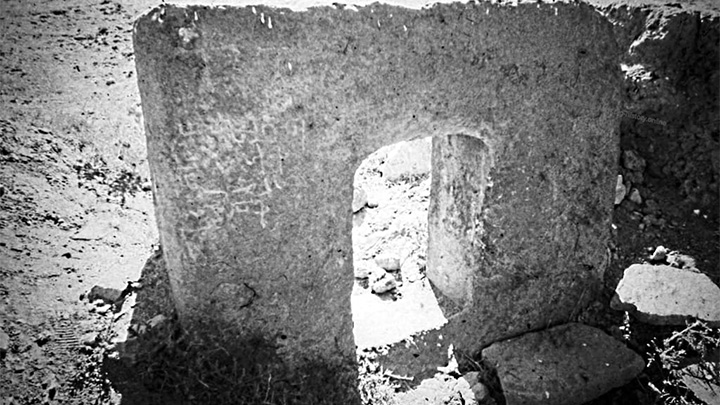 The Kingdom of Urartu arose.March 8, 2026Urartu was the "Kingdom of Fortresses" on the plateau of ancient Armenia ". This article details how it withstood the Assyrian Empire with its stone castle, its era-leading iron smelting technology, and the Semiramis Canal and other engineering wonders. Explore this mysterious mountain civilization that disappeared in the 6th century BC.
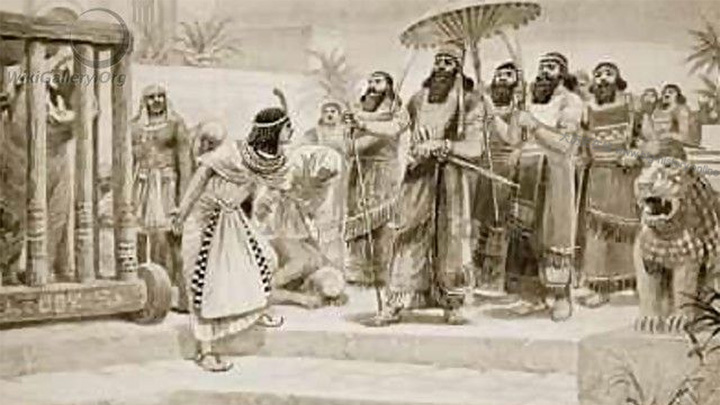 The Second Expansion of Central AsiaMarch 6, 2026Tiegrat-Parachar I led the Central Asia to expand again, westward to the Mediterranean, east to Elam, south to Babylon, but quickly returned to the core area after his death.
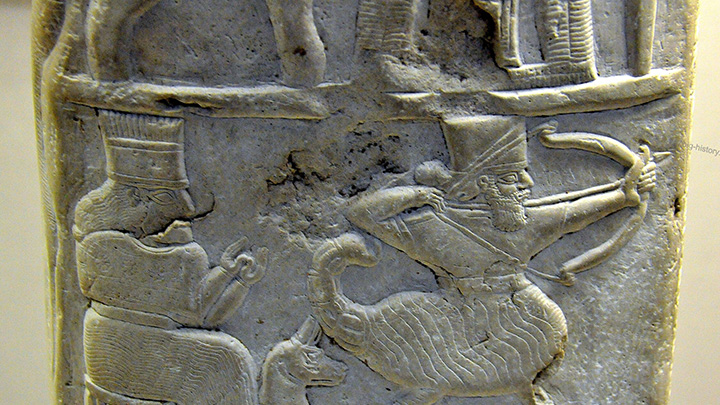 The dormant period of BabylonMarch 6, 2026After the Bronze Age, Babylon experienced a succession of short-lived dynasties, ranging from the brief glory of Nebuchadnezzar I to its eventual subjugation as an Assyrian vassal. This section examines the rise and fall of Babylon during its period of dormancy, set against the broader historical context of the time.
Related recommendations
 WeChat Mini Program
 Big History Online